
Michael G Beaulieu, MD
Medical Director LMAS DHD
It doesn’t look dangerous. It comes in small bags or capsules, often labeled as “all natural” and sold over the counter. But for a growing number of users, kratom is anything but harmless. As its popularity spreads into towns like ours, so do reports of dependency, withdrawal, and unexpected health risks—leaving communities to grapple with a problem that, until recently, few had even heard of.
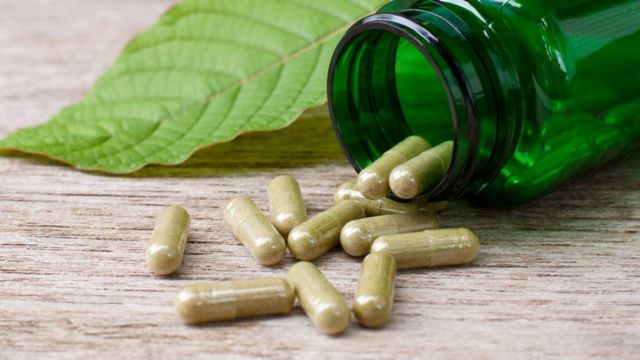
Kratom (rhymes with ‘atom’) is a tree that grows in Southeast Asia. Kratom also describes a powder or liquid made from the leaves of this tree. It has been used in Asia for centuries as a stimulant to increase work production. It is also used as a pain reliever alternative to prescription pain medications. Kratom is not approved by the FDA for medicinal use.
I first heard of kratom through patients of mine who had heard about it and wondered if it might help them. Many of them had already tried it. Some reported good results; some reported bad. After reading a lot about it and hearing from others’ experience, I believe that Kratom may have some potential medicinal use, but much more high-quality study is needed first.
Early users often took kratom in the form of leaves or powdered leaves obtained legally over the internet. Now it can be purchased almost everywhere from gas stations, smoke shops, and convenience stores. This is especially alarming because the capsules and liquids are unregulated and often are much stronger and more powerful than the leaves used in Asia.
Kratom works in our bodies and brain in almost exactly the same way as opioids such as oxycodone, heroin, morphine, and fentanyl. At first, it was thought it might be a safer, non-addictive alternative to opioids or possibly useful for treatment of opioid addiction. That is turning out not to be the case. Kratom can interfere with some prescription medications. The active chemical in kratom is more potent than many prescription pain meds. Unfortunately, we are seeing many cases of addiction, withdrawal, overdoses, and accidental poisoning from Kratom. Emergency room visits, hospitalizations, and calls to poison hotlines for kratom problems have rapidly increased over the past couple of years. Kratom has earned the nickname “gas station heroin”.
As a result, many states and cities have outlawed the sale of these products. Many more are considering banning them. The Michigan House of Representatives recently passed a bill that would outlaw the sale of kratom in Michigan. It is expected that this bill will be passed in the Senate and signed into law later this year. Some states are banning the concentrated liquid but allowing the leaves. The Michigan bill bans all forms of kratom.
I believe research and testing should continue so we can determine if the chemicals in kratom do have a value as medicine and to see if they can be offered and used in a safe manner. Until then, use of kratom liquids and capsules sold in shops should be considered unsafe and should be avoided.