
Although no cases of cyclosporiasis have been reported in the Eastern Upper Peninsula, local health officials are encouraging residents to take precautions as a widespread outbreak continues to affect communities across Michigan and other parts of the country.
The LMAS District Health Department said it is closely monitoring the situation in coordination with the Michigan Department of Health and Human Services. As of July 24, the state had reported 8,176 cases of cyclosporiasis, including 160 hospitalizations.
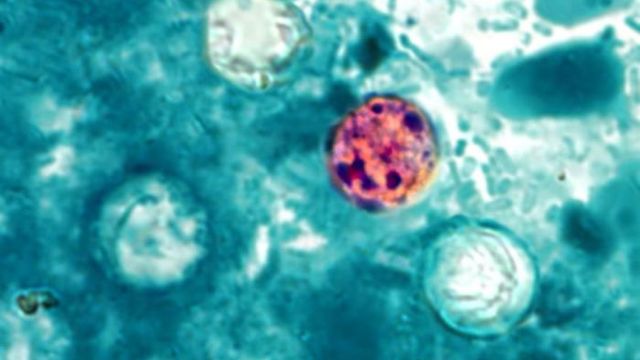
Cyclosporiasis is an intestinal illness caused by the microscopic parasite Cyclospora cayetanensis. People typically become infected after consuming fresh produce or drinking water contaminated with the parasite. Unlike many gastrointestinal illnesses, Cyclospora is generally not spread directly from person to person because the parasite must first mature in the environment before becoming infectious.
Health officials said symptoms usually develop about one week after eating contaminated food. The most common symptom is frequent, watery diarrhea. Other symptoms may include stomach cramps, bloating, nausea, loss of appetite, fatigue, weight loss and, in some cases, a low-grade fever.
Without treatment, symptoms may improve temporarily before returning over several weeks or even months.
State health officials have linked the current outbreak to contaminated lettuce, although the investigation remains ongoing and additional food products could be identified.
Most people recover completely with appropriate treatment. However, young children, older adults and individuals with weakened immune systems face a greater risk of severe illness.
To reduce the risk of infection, the Michigan Department of Health and Human Services recommends storing fresh produce separately from ready-to-eat foods, keeping lettuce and salad greens in sealed bags or containers, washing hands thoroughly with soap and water after handling raw produce, cleaning cutting boards, countertops, knives and utensils after preparing fresh vegetables, and washing fruits or vegetables that may have come into contact with potentially contaminated lettuce.
Officials cautioned that rinsing lettuce under running water alone may not completely remove the Cyclospora parasite. Even so, following proper food safety practices can help reduce cross-contamination and lower the risk of other foodborne illnesses.
Anyone who develops diarrhea lasting more than a few days — especially if symptoms are severe or accompanied by dehydration — should contact a healthcare provider. Patients should be prepared to discuss recent travel and foods they have eaten, particularly fresh salads or leafy greens.
Cyclosporiasis can be diagnosed through specialized laboratory testing and is typically treated successfully with a prescription antibiotic.
No cases have been identified in the Eastern Upper Peninsula at this time, but the LMAS District Health Department said it will continue working with state officials to monitor the outbreak.
Residents with questions may contact the LMAS District Health Department at 906-293-5107 or visit the Michigan Department of Health and Human Services or the Centers for Disease Control and Prevention for the latest information.